Labor Day & IT in Small and Medium-Sized Businesses: Rethinking Work with Modern Technology
May 1—traditionally Labor Day—provides a good opportunity to take a fundamental look at work: How do we want to work? What role should technology play in this? And what should it not take over? In small and medium-sized businesses, these questions are increasingly taking center stage—not as a philosophical exercise, but as a strategic necessity in an era marked by a shortage of skilled workers, pressure to digitize, and rising employee expectations.
How IT teams really support organizations today—and where they fall short
Modern IT has the potential to make work significantly easier: routine tasks are automated, information is available anytime and anywhere, and collaboration works across locations and time zones. And yet, the reality in many companies is quite different: too many tools, too many systems, too many interruptions. IT as a source of inefficiency rather than relief.
The difference lies not in the technology itself, but in how it is implemented and used. Technology that is imposed rather than explained. Systems that do not communicate with one another. Processes that are digitized without first being optimized.
Four Principles for IT That Truly Improve Work
1. People Before Processes
Technology should be introduced to empower people—not to control them. Time-tracking systems that are primarily used for surveillance signal mistrust. Collaboration platforms that foster genuine exchange build connections. The question is: Does this technology serve people—or is it the other way around?
2. Less is more
Tool overload is one of the biggest IT burdens for employees. Dozens of different applications, multiple messaging services, and parallel project management tools—all of this drains energy and focus. A consolidated, integrated IT landscape focused on essential needs significantly reduces the burden on teams.
3. Flexibility through a secure infrastructure
Working from home, hybrid work, and flexible hours—these are now standard expectations, not special perks. Mid-sized companies that lack the technical infrastructure to support this flexibility are at a disadvantage in the competition for skilled workers. Secure remote access solutions, cloud-based collaboration tools, and modern endpoint management systems form the technical foundation.
4. Automation as a relief, not a threat
The concern that automation will eliminate jobs is understandable. However, the reality for small and medium-sized businesses is usually quite different: automation takes over the tedious, repetitive tasks—freeing up employees’ time for what truly adds value: building customer relationships, creative problem-solving, and strategic thinking.
How Modern IT Contributes to Employee Satisfaction
Studies consistently show that employees who have access to good tools and don’t have to deal with IT issues on a daily basis are more productive, satisfied, and loyal. In the skilled labor market of 2026, a modern, reliable IT infrastructure will be a real competitive advantage when it comes to attracting and retaining talent.
Axsos: IT that makes life easier
We believe that IT is meant to give people the freedom to innovate, grow, and focus on what really matters. Our solutions are designed with this goal in mind: they are reliable, secure, and built to support teams—not to be a burden.
Contact us—we’ll show you how to truly improve your IT.

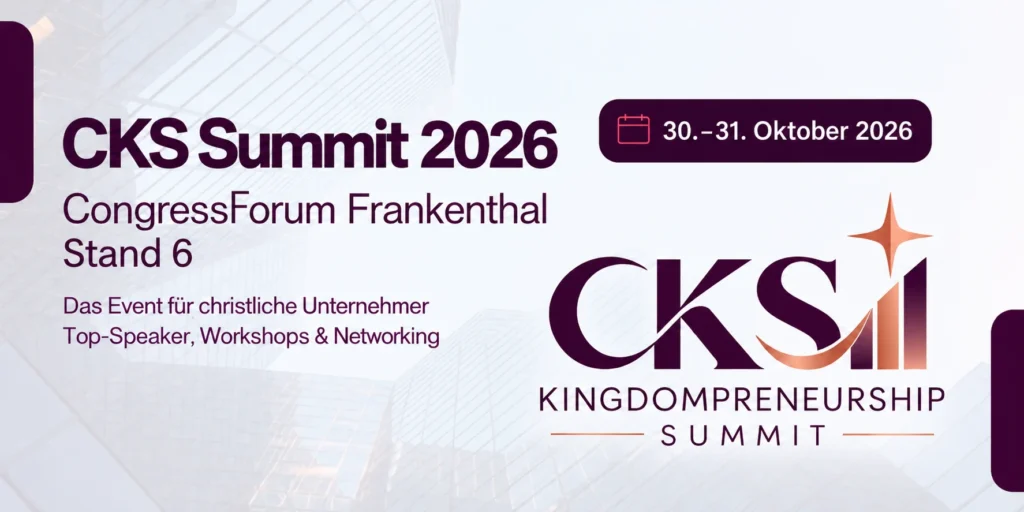
 CongressForum Frankenthal | Booth 6
 We look forward to exchanging ideas with you