Why operational compliance is more than just fulfilling duties
Operational compliance is much more than a formal component of corporate management - it is the invisible force that stabilizes processes, reduces risks and enables growth.
In times of increasing regulatory requirements and international complexity, operational compliance is becoming a strategic success factor. It ensures that companies act efficiently, safely and in accordance with regulations - day in, day out.
What is operational compliance?
Operational compliance means the practical implementation of guidelines and directives, laws and internal standards in day-to-day business processes.
It is the operational arm of effective compliance management and ensures that rules not only exist, but are actively practiced.
Central areas of operational compliance
- Data protection GDPR: The protection of personal data and legally compliant processing are cornerstones of every modern company.
- Occupational safety: Clear guidelines and processes protect employees and promote a safe, productive working environment.
- Financial compliance: Transparent reporting strengthens trust among investors and partners and prevents undesirable developments.
Operational compliance is therefore the combination of legal security, efficiency and corporate culture.
The invisible force - why operational compliance is often underestimated
Many companies only become aware of compliance when breaches occur. However, its true strength lies in prevention and process stabilization.
A functioning compliance management system (CMS) ensures that risks do not arise in the first place - and creates structures that enable innovation and growth.
Companies with strong operational compliance are more resilient, more capable of acting and enjoy greater long-term trust from customers, partners and authorities.
Challenges in the implementation of operational compliance
- Complexity of the regulations
Regulations, laws and standards - from the GDPR to ISO 27001 - are constantly evolving.
Companies must regularly adapt processes and proactively integrate compliance changes.
- Lack of acceptance among employees
If employees only perceive compliance as bureaucracy, acceptance problems arise. This is where compliance training and communication at eye level can help.
- Lack of technological support
Without suitable compliance software, monitoring becomes a challenge. Outdated systems increase error rates and reduce efficiency.
Solutions: How modern operational compliance succeeds
Create clear responsibilities
A central compliance officer or a dedicated compliance management team ensures structure, transparency and regular reviews.
Communication and compliance training
Regular compliance training promotes understanding, acceptance and personal responsibility.
Employees must recognize this: Compliance not only protects the company, but also themselves.
Using digital compliance solutions
Modern digital compliance solutions automate processes such as documentation, monitoring and reporting.
They reduce manual effort, minimize errors and ensure the seamless tracking of all guidelines.
The advantages of operational compliance for companies
- Risk minimization: Stable compliance management protects against fines, reputational damage and legal consequences.
- Increased efficiency: Standardized processes create clear workflows and increase productivity.
- Reputation gain: Companies with a practiced compliance culture are perceived as trustworthy, responsible and professional.
- Automated compliance as a competitive advantage: Automated processes free up resources - for innovation, growth and strategic development.
Practical examples: Operational compliance in action
- Production company: Introduction of a compliance management system led to 15% higher production efficiency and improved customer satisfaction.
- Pharmaceutical company: Use of a digital CMS in accordance with ISO 27001 reduced compliance violations and increased employees' safety awareness.
- IT service provider: Automated compliance processes and AI-supported tools have reduced external audit costs by 30%.
Success factors: How operational compliance has a lasting effect
- Strategic planning and risk analysis
Conduct regular risk analyses and prioritize the most critical compliance areas.
- Use of technology
A compliance management system (CMS) centralizes data, automates monitoring and makes it easier to provide evidence to supervisory authorities.
-
Integration into the corporate culture
A strong compliance culture is created when managers actively exemplify compliance.
It must become part of the company's values and vision - not just a duty, but a matter of course.
The future of operational compliance: automated, digital and intelligent
The future belongs to automated compliance.
With AI-supported compliance tools, machine learning and intelligent analyses, compliance is becoming increasingly proactive - risks are identified before they arise.
Companies that invest in technology and training today will gain a clear competitive advantage.
Conclusion: Operational compliance as a growth driver
Operational compliance is not a reactive control instrument, but a strategic tool for efficiency, transparency and sustainable success.
It strengthens brand trust, minimizes risks and creates space for innovation.
Executives and compliance managers who think digitally about operational compliance are not only securing the present, but actively shaping the future of their company.
Now is the right time to automate compliance - with modern tools, clear structures and a culture that embraces responsibility.
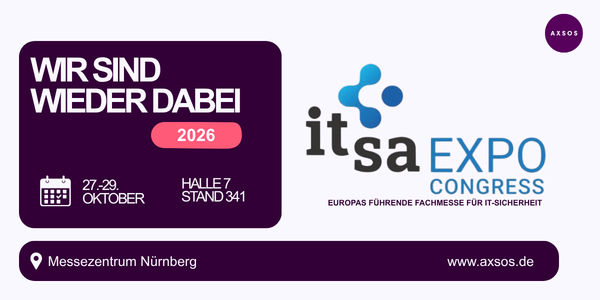
 CongressForum Frankenthal | Booth 6
 We look forward to exchanging ideas with you